


I don’t usually get excited about a cardboard box sitting on my front porch. We get so many Amazon packages that it stopped being a big deal a long time ago.
Yesterday was different.
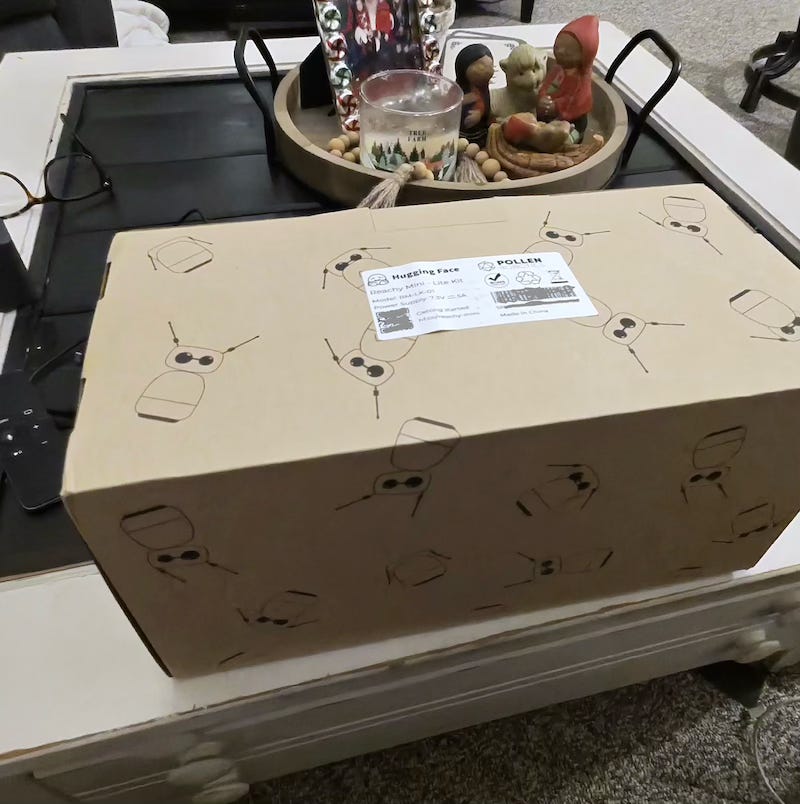
This was a box I’d been waiting on for months. It was supposed to arrive on Monday, but thanks to tariffs, it showed up a day late. At 5:11 PM yesterday, it finally landed on my porch, and I rushed home for it.
Inside the box was my new Reachy Mini robot from Pollen Robotics and Hugging Face. Before you assume I’ve gone off the deep end and bought a robot that does laundry, puts away dishes, or cuts the grass, not yet. This isn’t a full humanoid robot roaming around the house.
What it is, though, is an early indicator of what’s coming next. Not because it’s flashy or finished, but because of what it makes possible.
For the last several years, AI has lived almost entirely behind screens. It’s been on our televisions, in navigation apps, inside chat interfaces, and tucked away behind APIs. Even when the outputs are impressive, the experience still feels abstract and disconnected from the physical world.
Robotics changes that dynamic in a meaningful way.
Once intelligence has a body, everything shifts. AI suddenly has to deal with space, timing, friction, failure, and proximity to real people in real environments. It stops feeling theoretical very quickly and becomes much harder to ignore.
Reachy Mini isn’t about replacing jobs tomorrow. It’s about access. It puts embodied AI into the hands of developers, educators, researchers, and builders in ways that weren’t really possible until recently.
Early technology almost always looks awkward at first. It’s limited, sometimes underwhelming, especially if you’re expecting something polished or dramatic. We’ve seen this pattern before. That early awkward phase is often where meaningful change actually begins.
2026 and 2027 are closer than we think

I’m increasingly convinced that 2026 and 2027 will be the years robots begin entering the workforce in noticeable ways.
Not everywhere, and not all at once. But clearly enough that most of us won’t be able to ignore it.
You can already see robots delivering meals in restaurants and cleaning floors in big box stores. Half the time people barely look up anymore. I was recently in San Francisco and took Waymo driverless cars almost everywhere I went. Interacting with robots is quietly becoming part of everyday life.
That shift is going to affect customer service, warehousing, healthcare support, education, manufacturing, logistics, and hospitality, among other areas. The question isn’t whether robots show up. The real question is whether organizations took time to learn early or waited until the shift felt unavoidable.
This small robot sitting on my desk is a reminder that the future rarely arrives fully formed. More often, it shows up unfinished and a little awkward, in the form of developer kits, prototypes, and tools that don’t look revolutionary until much later.
From unboxing to building
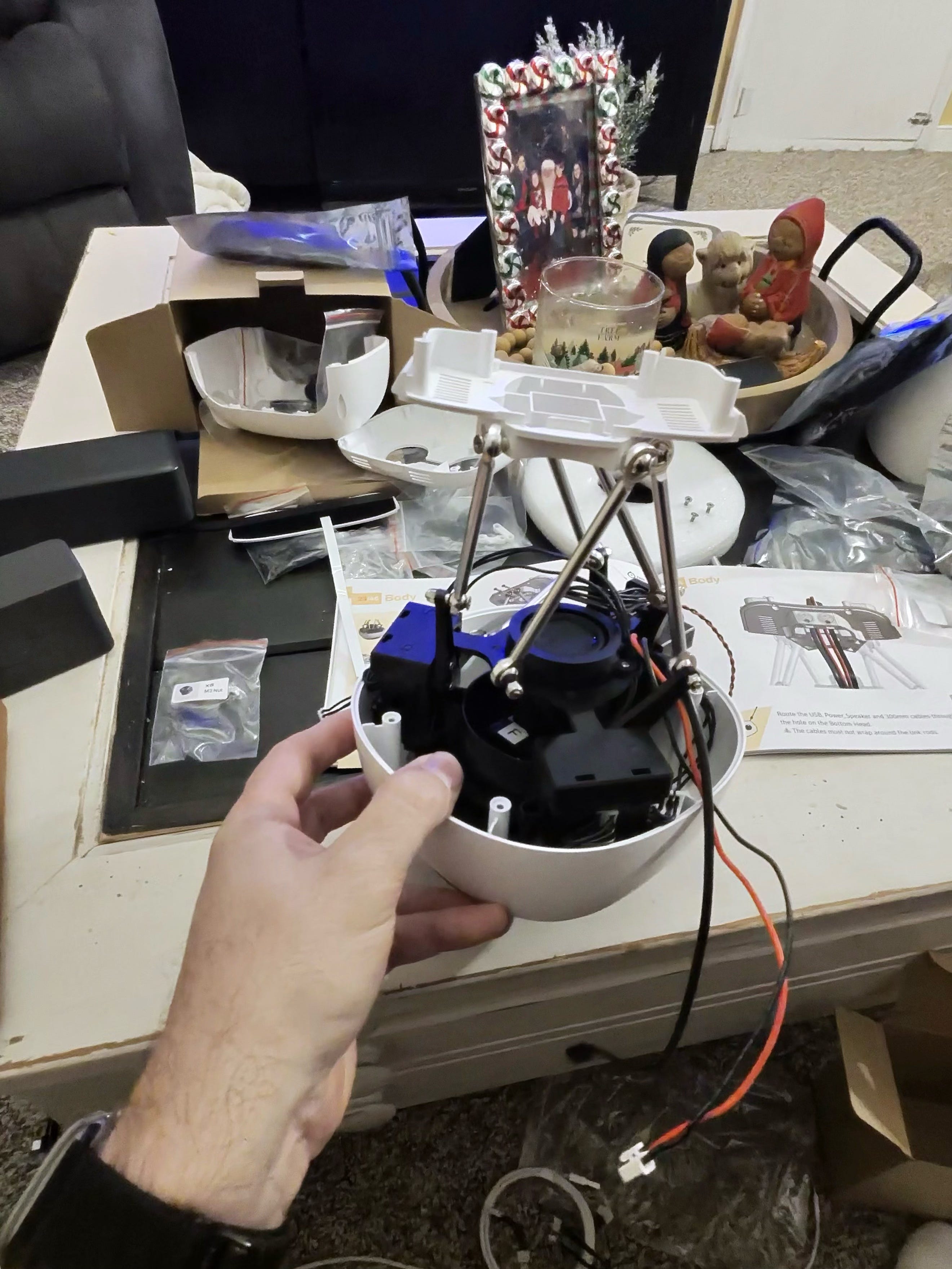
I spent about three hours assembling Reachy Mini before moving into the programming, and honestly, it’s been a lot of fun.
The build process forces you to slow down. This isn’t a plug it in and watch it work kind of experience. You have to pay attention to how things fit together mechanically, electrically, and conceptually.
Confession time. There was some trial and error involved, and yes, you really should follow the instructions when you’re dealing with this many parts. At one point I genuinely wondered if Ikea had something to do with it.
Once you start programming, the shift from abstract AI to embodied behavior becomes obvious very quickly. Timing matters. Movement matters. Small decisions suddenly have visible consequences. It’s a different kind of learning curve, and it’s been a helpful one.
I’m already looking forward to getting the wireless version. Removing the tether opens up a very different set of possibilities for interaction, experimentation, and real world use.
What I am excited to build next
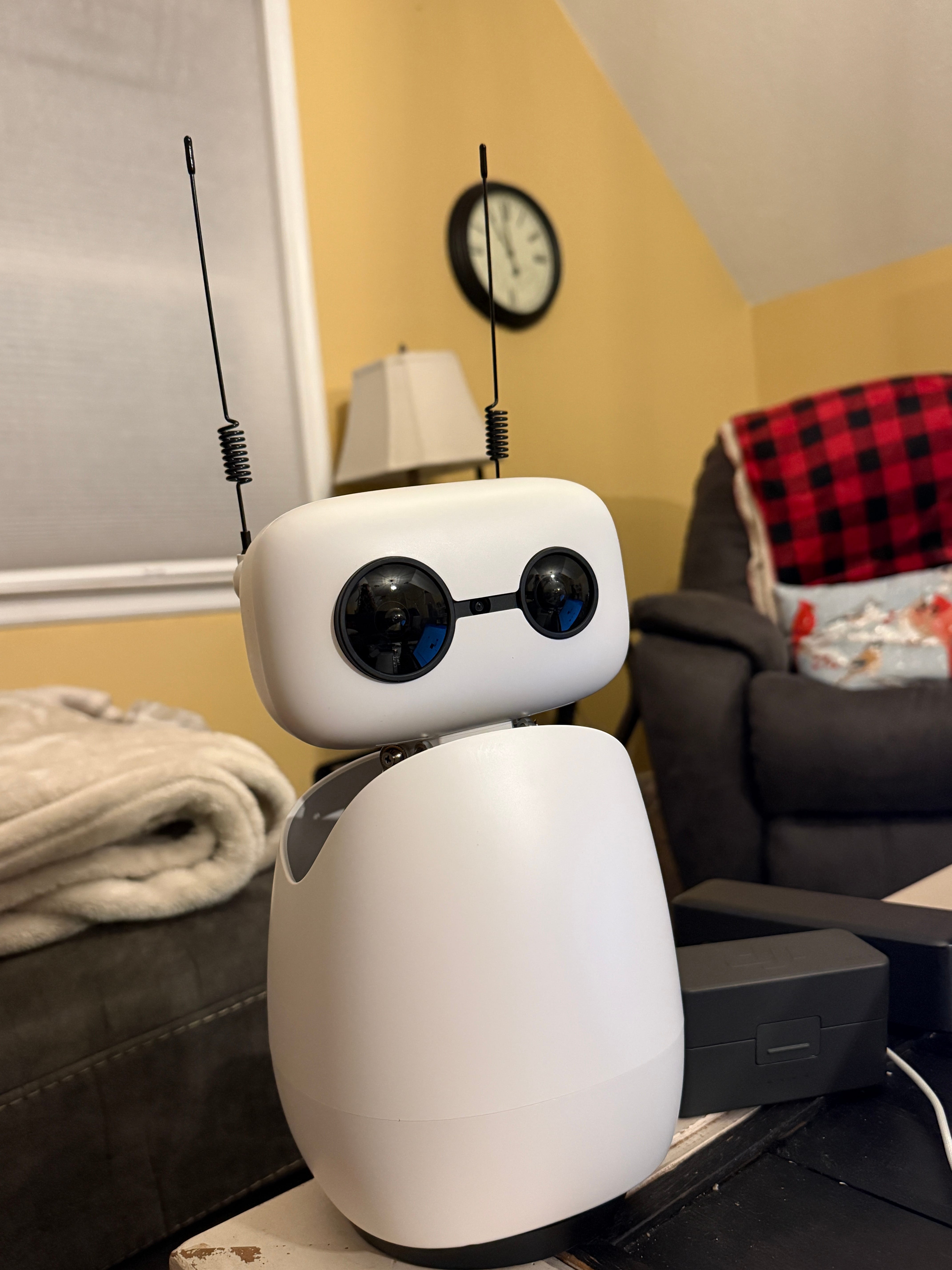
What I’m most excited about next is building on top of this platform.
I’m interested in connecting Reachy Mini to tools like FaithBot.io and giving it a voice interface instead of keeping everything text based. I’m also excited about experimenting with Reachy Mini as a language learning tutor. When AI moves off the screen and into the physical world, conversation changes, and language learning becomes more experiential and relational.
Since I mentioned Chipp.ai, it’s worth saying that if you haven’t checked it out, you probably should. I haven’t found an easier way to build AI solutions that people actually use. It lowers the barrier to entry in ways that matter. You don’t need to know how to code to get started, and if you do know how to code, there’s plenty of room to go deeper.
The posture that matters now
This moment isn’t about hype, and it’s not about fear. It’s about posture as AI moves into robotics and more embodied forms.
Curiosity matters more than denial. Experimentation matters more than paralysis. Preparation matters more than panic.
As 2026 approaches, it feels increasingly important to pay attention, learn early, and stay engaged, because this shift isn’t arriving all at once. It’s already beginning in small, quiet ways.
The robots are coming!