


A practical, theologically rooted guide for how to hold AI well.
A Framework for Ministry Leaders
Here’s what faithful AI use actually looks like.
A missionary in a hard place who has more time for language learning and relationship building because AI handles reporting, translation pre-processing, and administrative communications. A pastor who uses AI to do sermon research to help prepare sermons, then spends three times as long as he used to in prayer, Scripture, and visiting with people because those hours went somewhere that matters. A missions organization where intelligent systems carry the administrative and analytical weight of global operations, freeing the people inside it to do what only humans can do, build relationships, share the gospel, plant churches, and make disciples.
That’s the goal. Not AI-free ministry. Not AI-maximized ministry. Faithful ministry, resourced by AI in its proper place.
The question is how to get there intentionally rather than accidentally or never at all. Five Substack posts on the theology of faithful intelligence won’t produce that on their own. You need a framework, something you can actually put in front of your leaders. Here’s my stab at how to get started.

Commitment 1: Presence First
Before you automate anything, identify what requires a human.
Not what could be done by a human. Not what a human usually does. What requires a human and what loses something essential if the human is removed.
Pastoral care at a moment of crisis. Spiritual direction. The embodied witness of someone whose life has been changed by the God of the Bible. Cross-cultural relationship building. Intercession rooted in proximity and presence. Discipleship that knows someone’s name and history and still shows up.
These are your presence-first categories. Make them explicit, because efficiency culture will erode them if you don’t protect them on purpose.
We focus humans on pastoral care, prayer, spiritual counseling, personal discipleship, crisis response requiring human presence, and any context where the person engaging expects to be speaking with a human. I call this the Protect category. It’s not a concession to inefficiency. It’s a theological commitment. Relational and embodied presence work must remain human because it reflects the nature of the mission itself.
Everything else is a candidate for AI assistance. But start with the list. Get it in writing before you deploy anything.

Commitment 2: Transparency
If humans are not involved in communication or AI is representing your organization, the person on the other end has a right to know.
This is not just an ethical position. It’s a trust position. When someone discovers that a communication they believed was human was actually an AI, you lose something very hard to rebuild. Know they will discover this.
Develop a clear disclosure posture when humans are not in the loop. Decide in advance what carries an AI disclosure. Then hold the line.
One discernment question we use is would we be comfortable if those affected could see exactly how AI was used here? If the answer is no or uncertain, that’s your signal to pause before proceeding.

Commitment 3: Formation Over Efficiency
Every six months, ask this question: if you removed all the AI-accelerated output from your ministry, what would remain?
Schedule it. Put it on the calendar with the same regularity as your financial review. Make it a leadership conversation, not a solo exercise.
You are looking for two things.
First: is the presence-first core strong? Are the things that require humans actually getting human attention, or has the efficiency of AI in surrounding areas quietly crowded out the slow, unscalable work?
Second: are the people using AI tools becoming more effective ministers, or more dependent on outputs? There’s a difference between an AI that helps a pastor think more clearly and an AI that does the pastor’s thinking. The first is formation. The second is atrophy. Left unexamined, the drift from one to the other happens quietly.
If the core is strong and the people are growing, the AI is serving its purpose. If either is weak, you have a governance problem, not a technology problem.

Commitment 4: Steward, Don’t Just Use
AI governance in a ministry context isn’t primarily about risk management, though risk management matters. It’s about stewardship.
You are stewarding the trust of your congregation, your donors, your partners, and the people you’re trying to reach. Every AI deployment decision either builds or erodes that trust.
We frame every AI decision at IMB with a set of governing questions. I’ll adapt them here for any ministry context:
Does this use of AI honor the image of God in every person it touches? Does it empower human relationships or substitute for them? Does this serve the mission directly, or by freeing people for those who do? And finally: does solving this move the needle on the missionary task? If not, should we be doing this at all?
If the honest answer to any of those is no or uncertain, pause and evaluate before proceeding.
Stewardship also means thinking about formation, not just function. What is this AI tool doing to the people using it over time? Steward your tools the way you steward your finances: with intention, with accountability, with regular review, and with a clear sense of what they’re for.
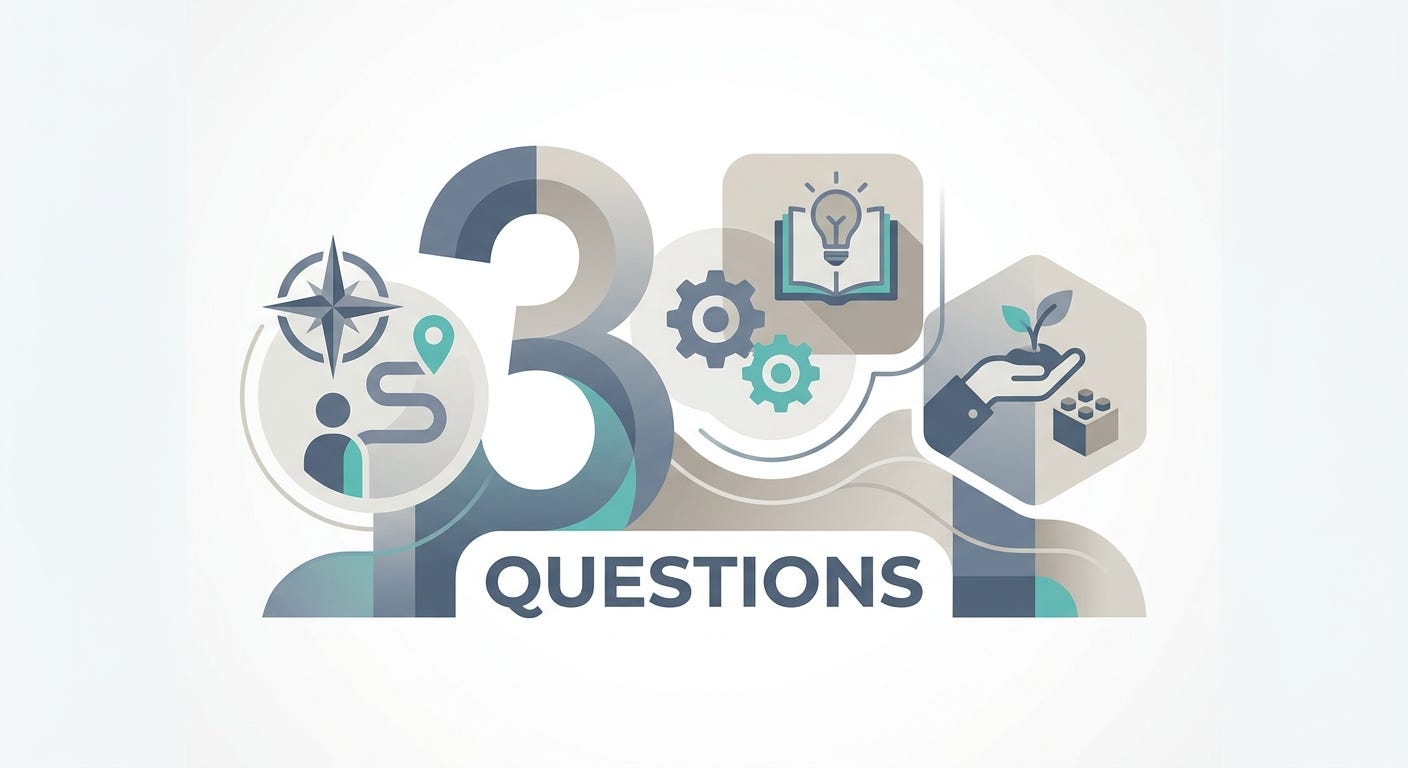
Three Questions to Start the Conversation
If I could give you one concrete next step, it’s this. Gather your leadership team and put three questions on the table.
What are the presence-first categories in our ministry context, the things that require a human, that lose something essential if AI is introduced?
Where are we currently using AI, and do those uses empower human presence and relationship, or substitute for them?
What would faithful AI governance look like in our organization over the next twelve months?
You don’t need a full policy written out for your organization before you start. You really need to start with the conversation. Let the policy follow the the conversation.
We’ve covered a lot of ground in this series. McLuhan’s warning that every medium shapes us whether we notice or not. Pay close attention to the supplement-not-substitute distinction discussed in this series. The imago Dei as the anchor for understanding what AI can and cannot do. The seduction of efficiency is a challenge for all of us. Nothing wrong with being efficient, but only in the right things. It’s possible to be efficient in things that don’t move the needle. There are irreducible things like prayer, witness, intercession, and the work of God’s Spirit, that no AI model will ever replicate.
All of this Faithful Intelligence discussion leads us to faithful people, holding powerful tools with theological clarity, oriented toward the God of the Bible and the people He loves. The Great Commission doesn’t need better technology. Even with the advances of technology, the Great Commission needs faithful people with better tools.
Allow me to close this series with this. Be those faithful people, use the tools well, and build the kind of organization where your people have more time for the work that only souls can do.
This series is part of an ongoing project on the intersection of Christian missions and technology. If it was useful, share it with a ministry leader in your network. The conversation is just getting started. Now I return to the… Let’s Build This attitude that I normally take in my Substack!