


I remember the first time my leader told me to not be afraid to fail. I was like, “Uhh… you want me to fail?” When I was telling him about a crazy idea that I had, he said, “If you don’t fail, you’re probably not trying hard enough.” As I continued working with him over the next four years, I realized that if we don’t give people permission to fail, we are basically telling them to not think outside of the box, don’t take any risks, and there’s safety in embracing the status quo.
When you work in innovation, if you don’t have some failures under your belt, you probably aren’t taking enough risks. This idea of permission to fail is important. If I took a risk and it was a total failure, I have no doubt that my leader would have had my back and accepted part of the responsiblity. In a culture that punishes error, this flips the script. It says, “We trust you enough to let you stumble, and we’ll bear the cost of that stumble.”

I’m not talking about people just going out and trying crazy things not tied to the mission. I’m talking about people who are working through desired outcomes, goals, and KPIs and thinking, this could be a 10x solution. If it isn’t how do we learn from this and try again. These are calculated risks.
When I think of the early church, I see a community that was constantly trying new ways to live out the Gospel. From house churches, secret gatherings, and breaking bread in the catacombs, they faced persecution. Even through difficult times, they kept experimenting because they believed the Spirit was larger than any human failure.
In my years of overseas ministry, I’ve seen the consequences of a “no‑failure” mindset in the church. Taking the safe route is often seen as desireable. Churches are risk and change averse. The fear of failure has kept many innovators quiet. Often, this same fear of change and failure has created an echo chamber that moved the church from being the innovative force creating behind things like the printing press, modern farming techniques, and modern medicine.
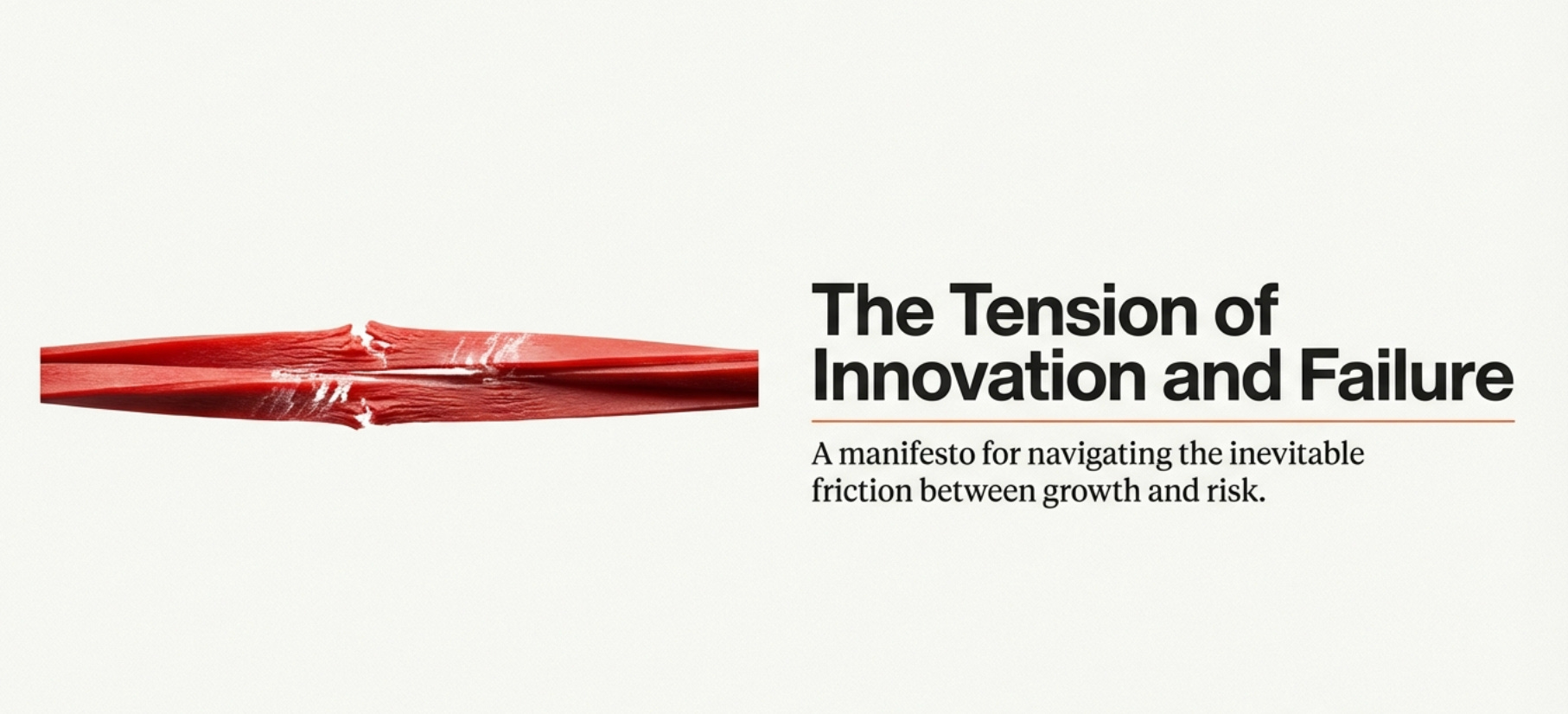
There’s a tension between innovation and failure.
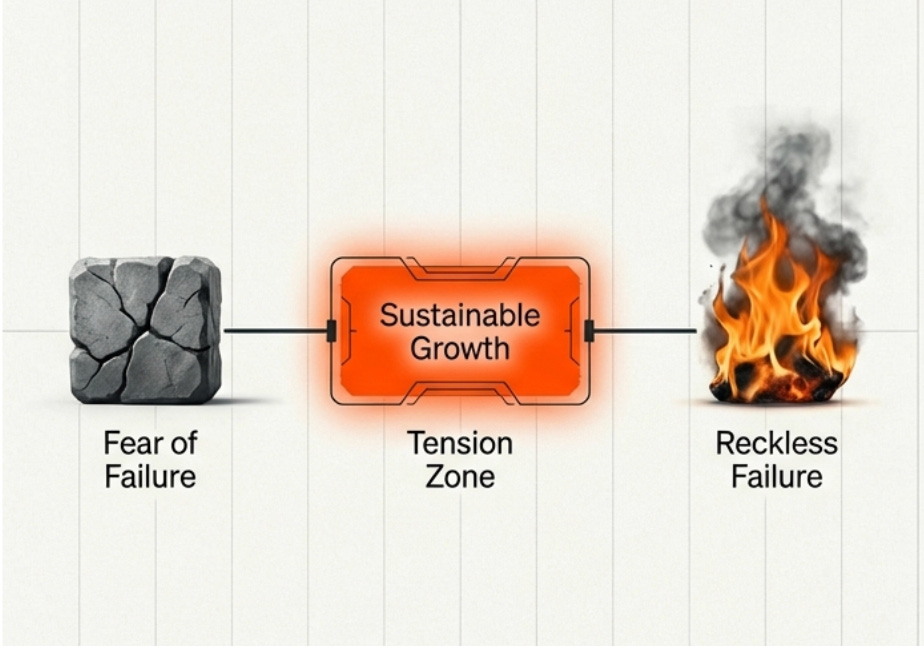
We can’t embrace failure recklessly. The permission to fail is sort of like a covenant. We promise safety, but we also expect stewardship of resources. It forces leaders to ask, “What am I willing to risk for the Kingdom?” and “What would it look like if we trusted the people God has placed here?” There’s a big difference between calculated risks and frivolity.
Covid taught us that speed matters. Churches moved services online within weeks, not months. Ministries pivoted to meet people where they were. Churches held services on Zoom, on Instagram, and even created in drive‑throughs. What if we embraced innovation as a part of our daily lives and not just when a pandemic forces us to? Churches that continued to thrive were the ones that gave their people the room to fail fast and iterate faster. Permission to fail is a concrete way to codify the type of agility it takes to be innovative.

What’s the takeaway?
If you have the power to give people permission to fail, who will you encouarge to take risks? What bold experiment would you ask them to try, trusting that even a failure would be a step forward? Let that question sit with you this week, and consider how grace for failure might become the most innovative practice your team embraces in 2026!